Rhizomatic adventures
A glimpse of Esther's adventures on narrative-led systems change and culture hacking experiments.
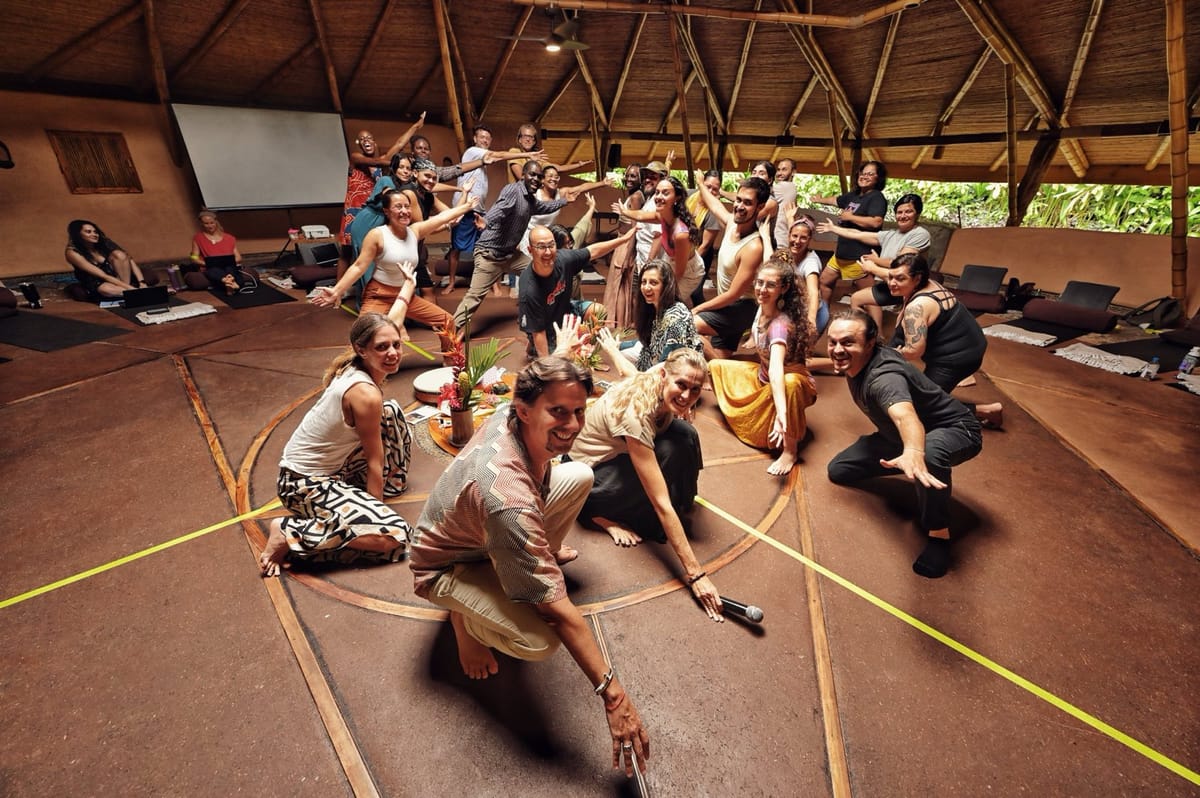
It’s been three months since I came back from a threshold trip and I’m still integrating all these experiences and relationships that touched my heart, head and hands so deeply. I’ve started referring to these as my ‘rhizomatic adventures’, but they’re not just mine, you’re part of these too, dearest Transitioners.
It all started around two years ago, when a former colleague told me about Narrative Hacking and the Culture Hack Labs (CHL) methodology. I felt impressed by their work and promising approach, and we started learning and experimenting in a light way, opening the space to anyone interested through the Transition Platform – what we call now Waves or Community Waves.
In April this year, CHL offered two free workshops to explore narrative-led systems change and culture Hacking. I attended the sessions on behalf of TNi and was impressed by the thoughtfulness, the curated methodology and the depth I could perceive in the team on a human level. During these sessions they talked about Pathways to Regenerative Futures and launched a call for the Rhizome Fellowship, an 8-month program that included mentorship, training, and collaborative support to develop narrative hacking projects with impactful interventions.
And you know what? We decided to let that go – at first. We were concerned with capacity and the amount of extra time it would require to be fully present and involved in the process if we were selected. But the next morning, when I woke up, all I could hear inside my head was ‘we would get it, we could win a seat at the fellowship’. I noticed my heart had already embarked on the journey without the agreement of the mind. So I talked again with some colleagues and we started preparing a proposal to submit. Days later, I was invited to a selection interview that I attended online from Madrid in the midst of a heatwave. And we were luckily gifted with one of the few spots available. I’d like to thank my colleague Deborah Benham, who has been a great companion in this journey through the rabbit hole, and the rest of the team for trusting us in this endeavour.
I enrolled in this, thinking we would learn a powerful tool to support the transformation of the world towards justice and diversity by hacking some of the existing (damaging) narratives. And we did. But I wasn't expecting for the process to also hack me.
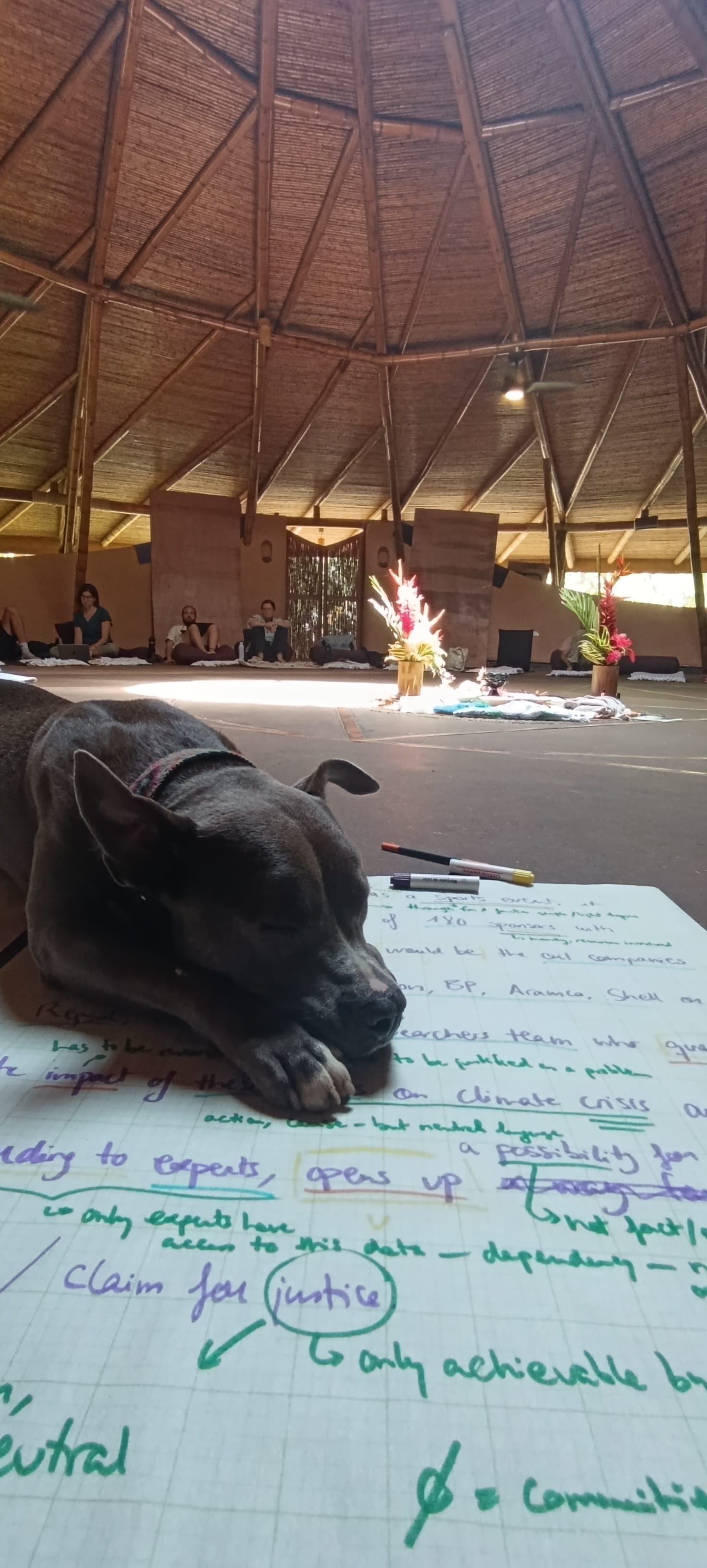
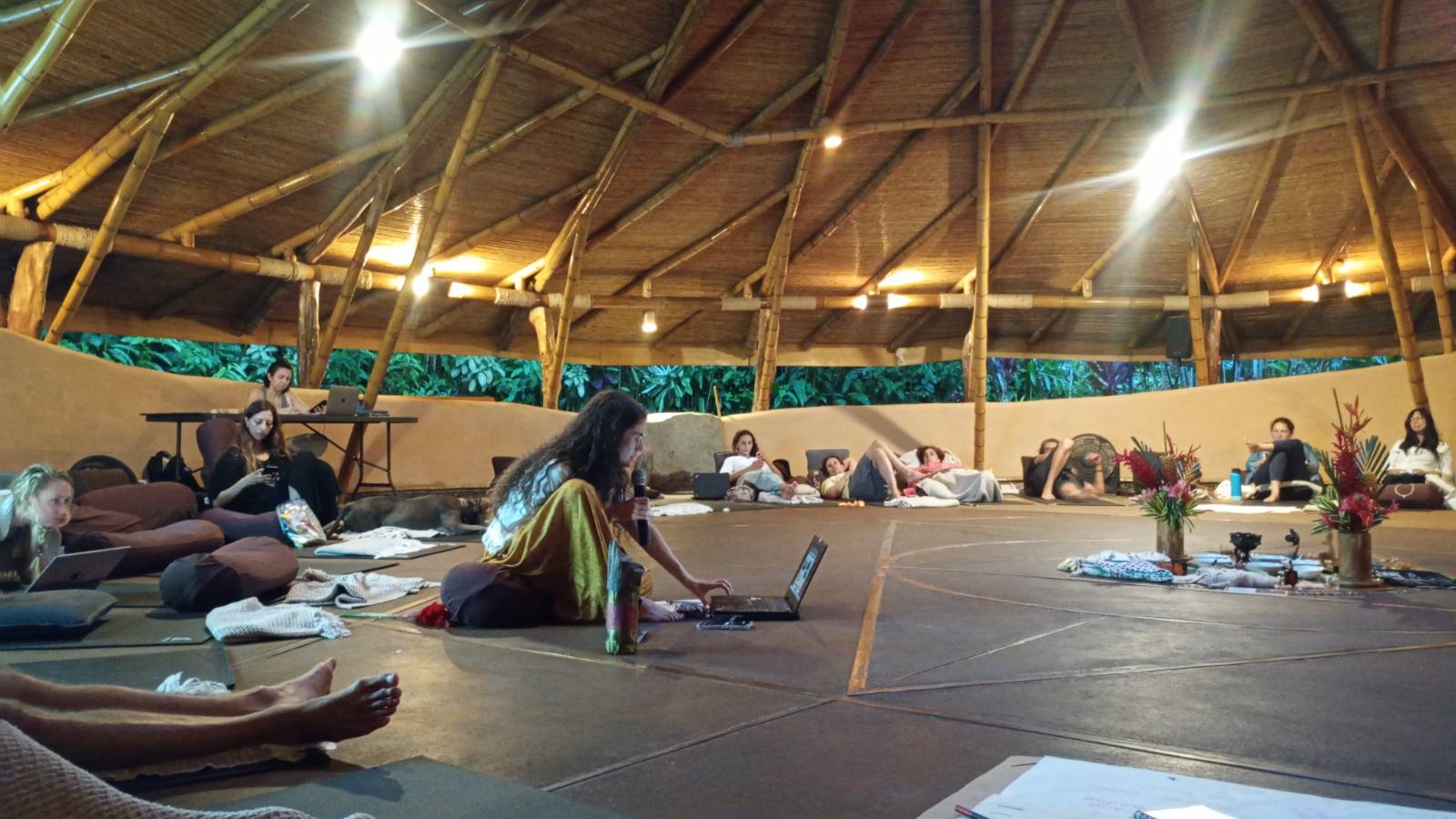
On the left, Luna safeguarding my narrative hacking notes. The photo is mine. / On the right, that’s me presenting about TNi and our hack process, after three nights of almost no sleep. Photo by Laura Sosa Micheli - thank you!
The ways in which I think about communications and narratives, my role as a communicator and the role of TNi in the wider ecosystem of change, the rhizomatic connections between different organisations and agents of change, the possibilities for real tangible impactful change… it has all evolved and expanded.
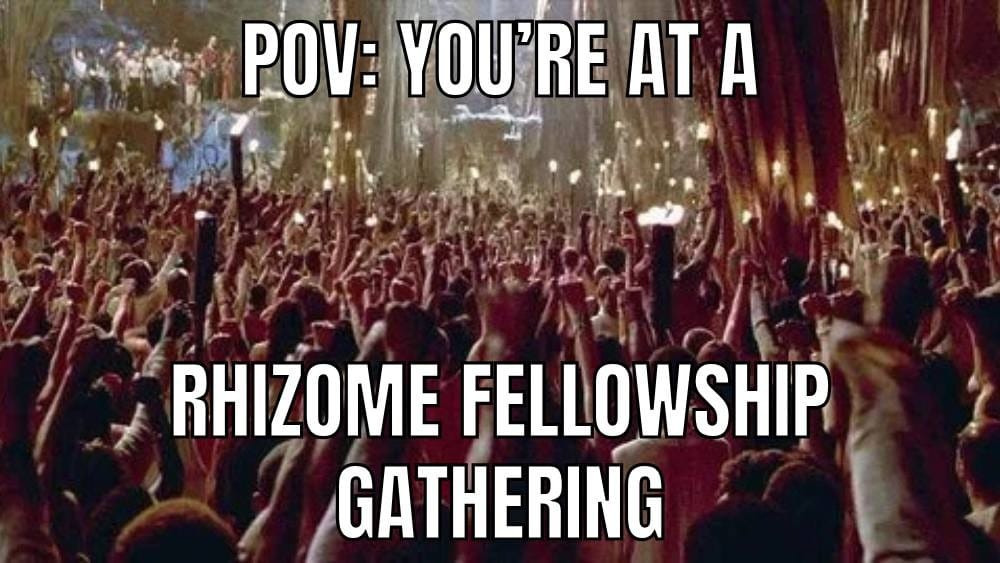
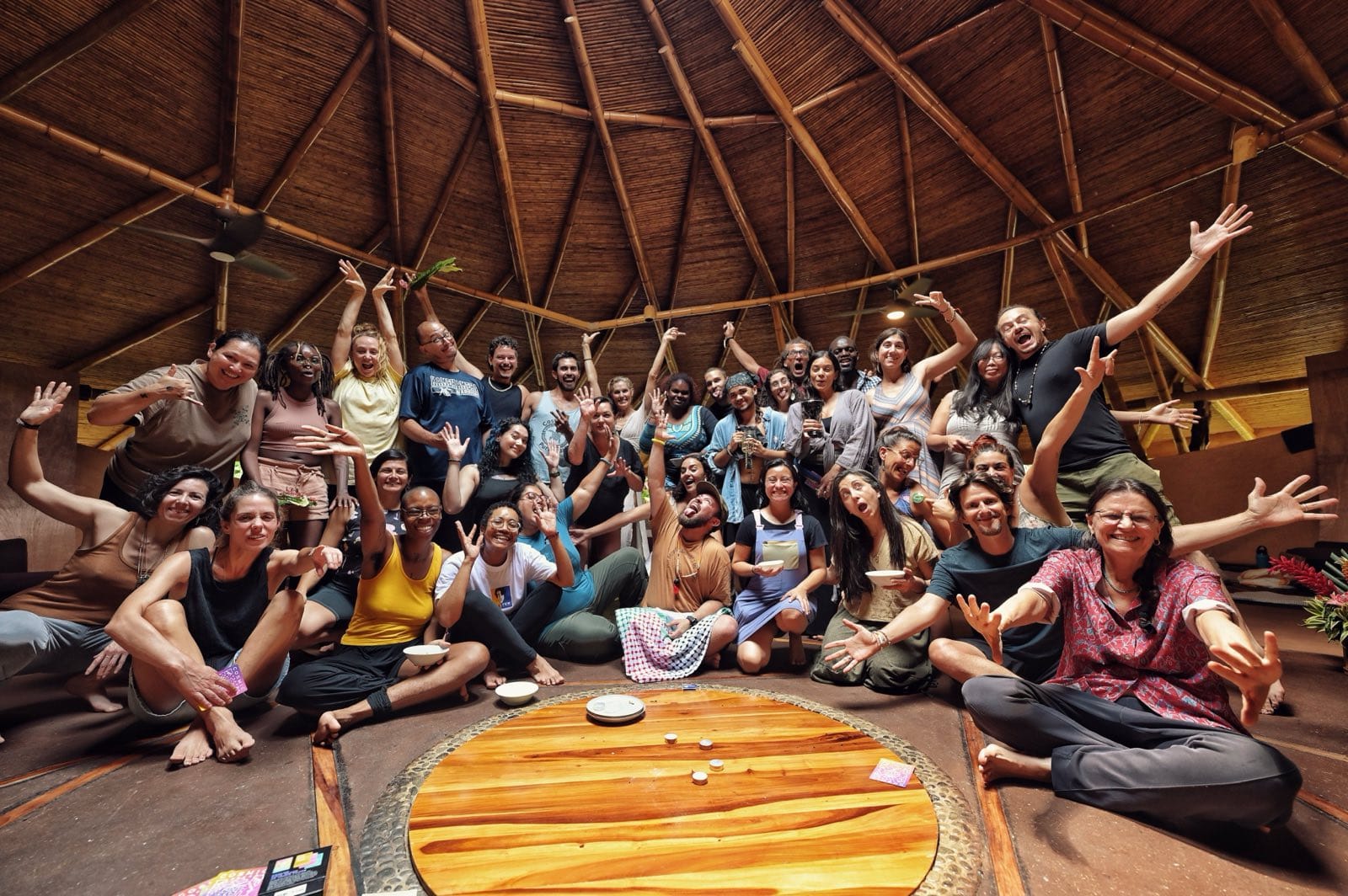
I partially captured this feeling in a meme I shared with the cohort a few days ago: a frame from the film Matrix Reloaded, the activists underground, organising in ways some wouldn’t dare to imagine, to challenge the machine, to change the status quo and bring Life back to the surface. Goosebumps. That’s what I felt when I was inside the Maloca, surrounded by the Rhizome fellows and the CHL team last September.
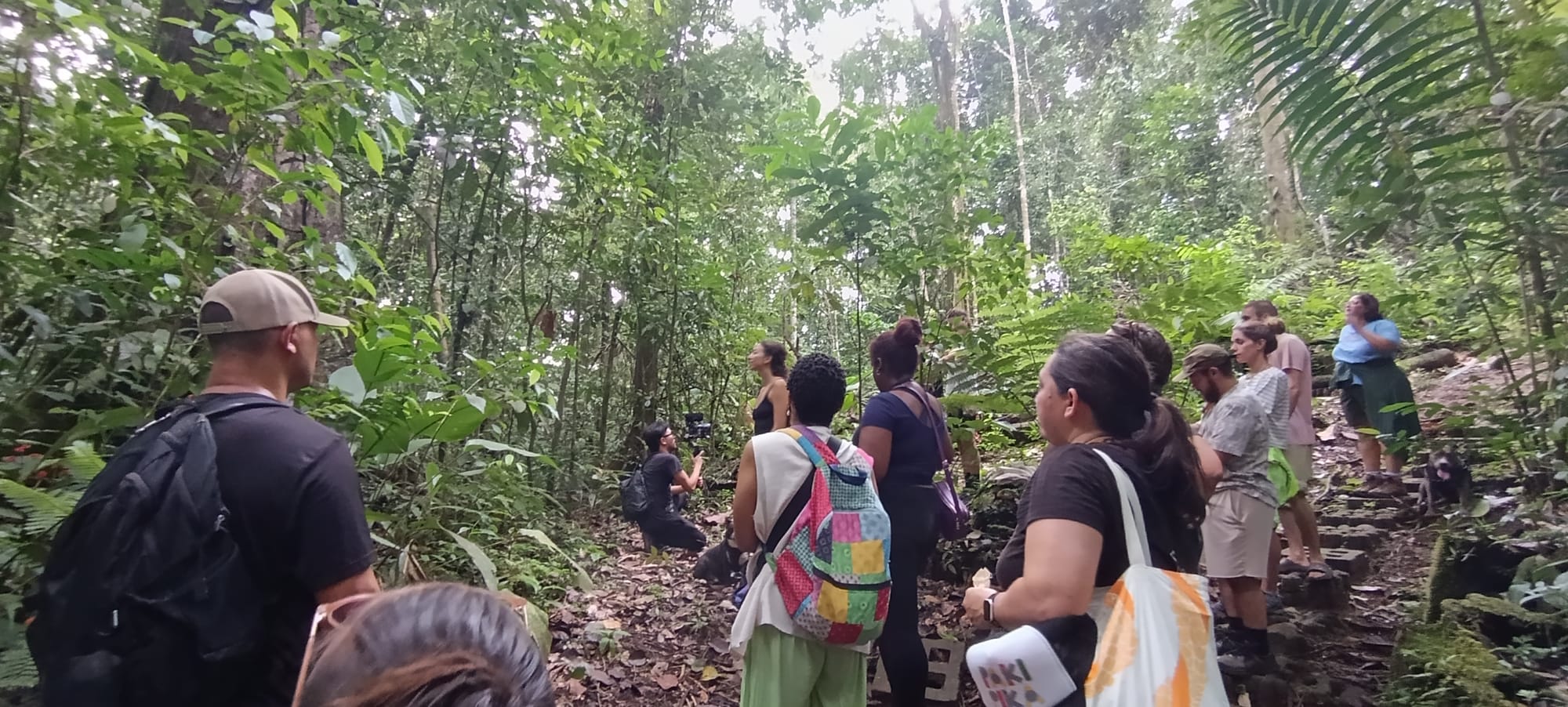
The Fellowship included an (intense!) in-person gathering in Costa Rica. I arrived there feeling exhausted, with jet-lag messing with me, and left touched and changed. I will be forever grateful for all that we’ve been able to learn and apply, but also for the connections, the presence, wisdom, authenticity, fierce joy, vulnerability and care from everybody. I bow towards the humble and mastery ways of showing up, the balance between mind - body - spirit - land, the walking the talk. And the embodied stories, struggles and Love.
There was something so powerful in bringing together people from all over the world with different backgrounds, traditions and lived experiences. Have a peek at the incredible work the fellows have been developing – here. ‘Small people doing small things’ that are already transforming their lives and those of many around them and beyond.
Allright, hold on, I know what you’re thinking: yes, that sounds so good but, what did you actually learn through this fellowship and what does it have to do with Transitioners?
Stay with me, I might be able to explain with a simplified metaphor:
Imagine a room. Or a playground. Or a field. Imagine a specific delimited physical space. Now bring in 6 people. Two of them are talking loudly, all they say can be heard by the rest, and they’re taking up around three quarters of the space. Their approach is individualistic and their aim is to keep things as they are. We can label these as belonging to ‘Hegemonic narrative communities’.
There are other two on the other side of the spectrum. Focused on systemic regeneration, collective and plurality, they embody change beyond words. Their impact is deep and holds huge potential for change and transformation, although they’re barely seen or heard by most of the people in the room. Let’s label these as ‘Alternative narrative communities’.
Then, the last two people are very good at listening and talking to almost everyone else in the room, using different ways of expressing. They are the leverage point for change, holding technical practical solutions to connect the status quo with the alternative. They move around, and what they’re sharing is heard by a fraction of the other two groups and can connect people across different groups. These can be labelled as ‘Catalytic narrative communities’.
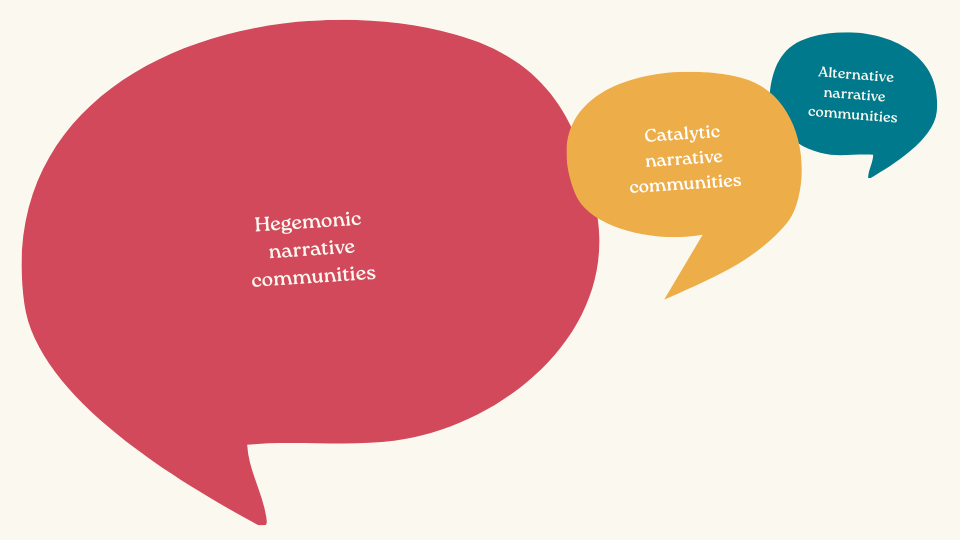
Through our research, we’ve identified the following narrative communities around the topic of Climate solutions and Transition(s):
- Hegemonic: Market Tech Solutionism (Techno-optimism), Incremental Transition (Corporate sustainability)
- Catalytic: Regenerative/Speculative Futures (incl. Solarpunk, Afrofuturism), Just Transitions
- Alternative: Solidarity Economies, Indigenous-Ecological Wisdoms
And we’ve mapped them following the justice-ontology framework, to understand them better and find the sweet spot for change:
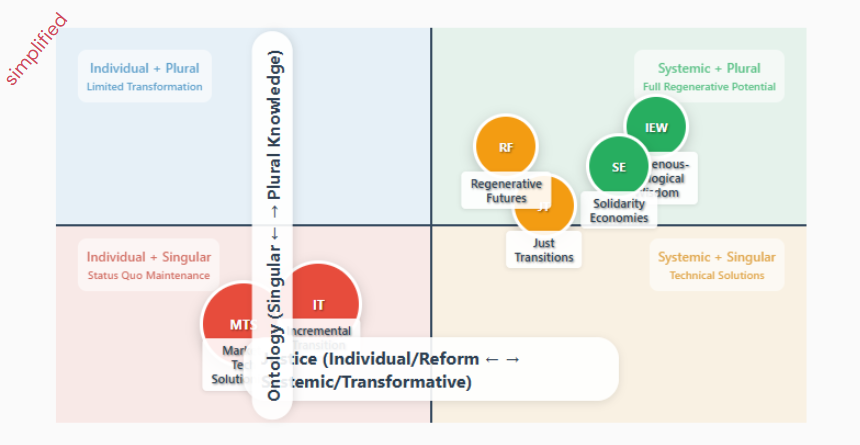
This has enabled us to identify where to go to co-create and start the hack in order to create a deep transformative impact. But I'll tell you more about that soon.
But why working on/through narrative-led systemic change?
Because narratives are ways we socially interpret reality and make sense of the world. Narratives shape our beliefs, guide our actions and decisions, and bring meaning to everyday reality. We use them as maps to navigate reality – they simplify, highlight, and frame certain aspects of reality while obscuring others. Through this, narratives provide the justification and basis for our actions in the world. Much of this happens on an unconscious level. Narratives also shape systems, and there’s something really interesting about them: they can be hacked. Implementing a hack on a specific narrative can generate a ripple effect and transform a system.
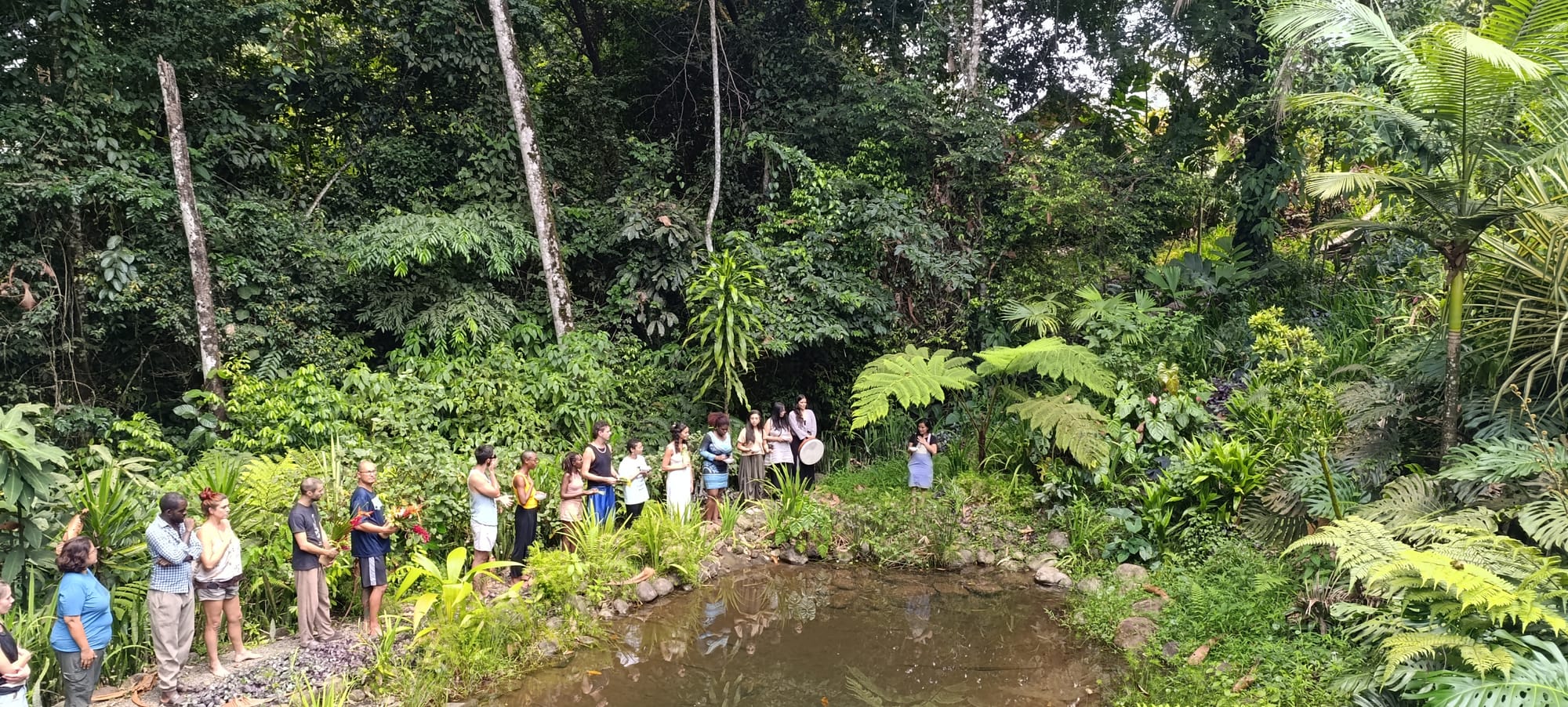
So, you see, we’ve been learning and experimenting with tools to map the different discourses, underlying worldviews and narrative communities, to distill where the potential for transformation lies, and to find out ways to insert a small ‘hack’, a glitch in the matrix, that can become alive and spread around in ripple waves of change towards regeneration.
How does that land on the Transition movement?
We’ve been designing a narrative hack and will publish our documentation in the coming year. We’ve also started testing some prototypes. The departure point is the Transition movement and our positioning in the narrative space. We would love to share this methodology with communicators, storytellers and changemakers involved in Transition so this is available to many more and the waves of transformation and regeneration keep expanding deeper and further.
Does that sound relevant to you in any way? Would you like to learn more about this methodology and ways of implementing it? Then, I share with you two invitations: Watch the open session ‘Culture Hack & Narratives for Systems Change’, and go to the Communicating Transition space in Community Waves and let me know what you feel-think. I’d love to hear from you!
🐺The way through is together,
Esther